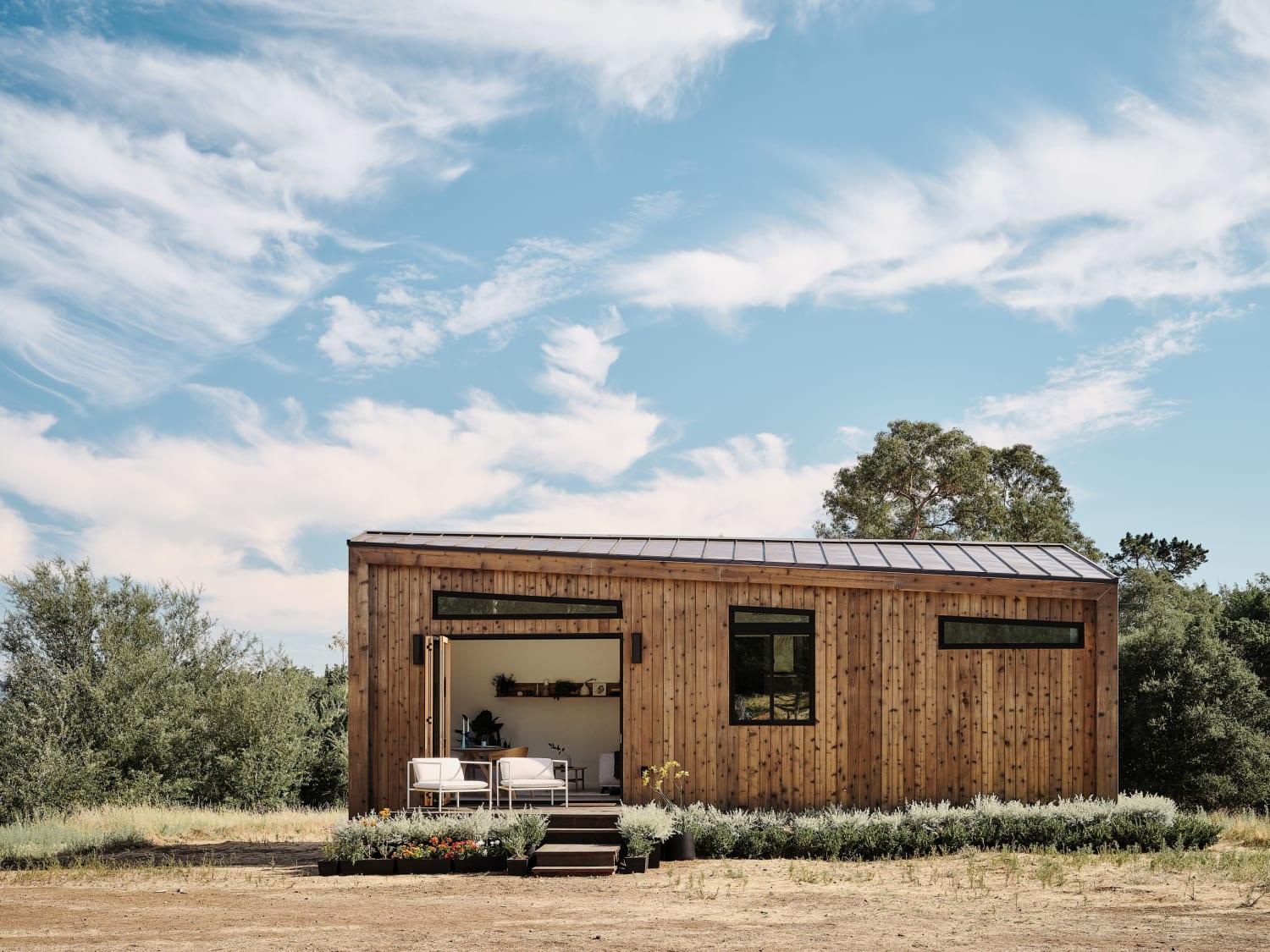
Rebuilding California Faster with Abodu
Abodu’s Commitment to California’s Rebuilding Effort.

Abodu
Thirteen months after the Eaton and Palisades fires destroyed more than 16,000 structures across Los Angeles County, 65% of Altadena residents remain in temporary housing. In Pacific Palisades, the number is closer to 75%. Only 16% of Altadena properties have received rebuild permits as of January 2026, and more than 300 submitted plan sets have been returned to homeowners with comments, adding weeks or months of delay to an already painful process.
Meanwhile, the clock on Additional Living Expense (ALE) insurance is running. For families whose coverage started in January 2025, the 24-month minimum expires in early 2027. Extensions are available, but they require documentation, insurer approval, and proof that delays are beyond the homeowner's control. Half of fire survivors report depleting most or all of their savings. The window to rebuild affordably is narrowing.
Abodu exists to compress that timeline. As a state-approved modular home manufacturer, we eliminate the months of delay caused by architect hiring, custom engineering, plan check revisions, and contractor procurement. When your ALE is counting down, every month you save matters.
The Real Rebuild Timeline in Altadena and Pacific Palisades
The conventional stick-built rebuild process, from architect engagement to Certificate of Occupancy, typically runs 18 to 36 months in normal conditions. Post-disaster, those timelines get worse. Labor shortages, material cost surges (Milliman estimates a 15% demand surge premium in fire-affected areas), and permitting backlogs stretch the process further.
Here is what a typical stick-built rebuild looks like right now in LA County:
Hire an architect and engineer: 2 to 4 months (longer with current demand)
Design and plan preparation: 3 to 6 months
Plan check and permit approval: 2 to 6 months (300+ plan sets returned with comments in Altadena alone)
Contractor procurement: 1 to 3 months (if you can find availability)
Site preparation and construction: 8 to 14 months
Total realistic timeline: 16 to 33 months from the day you decide to rebuild. That timeline assumes everything goes right: no plan check rejections, no contractor disputes, no material backorders, no change orders.
For families whose ALE coverage started in January 2025, a 24-month stick-built rebuild means paying out of pocket for housing before you ever set foot in your new home.
Your ALE Insurance Is a Countdown, Not a Safety Net
Under California Insurance Code Section 2060(b)(1), policies that include ALE coverage must provide a minimum of 24 months from the date of loss following a declared state of emergency. If reconstruction delays are beyond the homeowner's control (permit backlogs, material shortages, contractor unavailability), insurers must grant an additional 12 months. Further six-month extensions are available "for good cause."
That sounds generous on paper. In practice, it is not enough for a conventional rebuild. Here is why:
Many policies have a dollar cap that runs out before the time limit. If your ALE caps at $100,000 and your temporary rental is $4,000 per month, your money runs out in 25 months regardless of the 36-month statutory maximum.
Insurers are fighting extensions. A January 2026 report from the Department of Angels found that fire survivors are battling insurers at every stage of the claims process. State Farm, California's largest home insurer, is under investigation by both the state and LA County over its handling of wildfire claims.
The extension process requires proving that delays are not your fault. Every month you spend searching for an architect, waiting on plan check, or negotiating with a general contractor is a month that insurers can argue was within your control.
The fastest way to protect your ALE coverage is to choose a rebuild method that eliminates the delays insurers can use against you.
How HCD-Approved Modular Homes Cut the Rebuild Timeline in Half
Abodu's modular homes are approved by the California Department of Housing and Community Development (HCD) at the state level. This distinction is not cosmetic. It changes the entire permitting and construction sequence.
No architect, designer, or structural engineer required. Abodu's plans are pre-engineered, pre-approved, and ready to submit. The design, structural calculations, Title 24 energy compliance, and fire-resistance ratings are built into the state approval. You are not starting from a blank sheet of paper.
AB 818 creates a 10-business-day permit pathway. Effective January 1, 2026, AB 818 requires local jurisdictions to approve or deny permit applications for temporary and modular housing within 10 business days after a declared local emergency. For HCD-approved units like Abodu, this is not aspirational; it is enforceable. The plans have already passed state-level review. The local jurisdiction is confirming site-specific conditions, not re-engineering the structure.
AB 462 lets you occupy your ADU before your primary home is rebuilt. Signed as an urgency statute effective October 10, 2025, AB 462 allows ADUs in emergency-declared counties to receive a Certificate of Occupancy before the primary dwelling is reconstructed. This means families can move back onto their property months earlier, in a permanent, code-compliant home, while the primary residence is still in progress or planning.
Factory construction runs concurrently with site preparation. While your lot is being graded, utilities connected, and foundation poured, your Abodu is being built in a controlled factory environment. There is no sequential waiting. The home arrives ready for installation and connection.
Single-source accountability. With a conventional rebuild, you are coordinating an architect, structural engineer, energy consultant, general contractor, and multiple subcontractors. Each handoff introduces delay and risk. Abodu is a turnkey solution: design, permitting, manufacturing, delivery, and installation managed by one team with one contract and one price.
What This Means for Altadena, Palisades, and Malibu Homeowners
If you lost your home in the Eaton or Palisades fires, you are facing a decision with a deadline attached to it. Your ALE insurance is a depreciating asset. Every month of delay costs you real money in temporary housing, lost rental income, and emotional toll.
An Abodu modular home can serve as your primary residence, an ADU for rental income while you plan a larger rebuild, or permanent housing on a lot where the previous structure was destroyed. Our models range from 340 to 1,200 square feet, starting at $278,800, with factory-built fire-resistant construction that meets California's strictest building standards.
For homeowners using the AB 462 pathway, this means you can move back onto your property in a permanent, occupancy-ready Abodu while taking the time you need to design and build a larger primary home. Your ALE dollars go further. Your family has stability. Your property is occupied and maintained instead of sitting vacant.
The average replacement cost for a destroyed home in Altadena is approximately $574,000, according to Milliman. An Abodu provides immediate, code-compliant housing at a fraction of that cost, preserving your remaining insurance proceeds for the larger rebuild when you are ready.
Abodu's Commitment to Fire-Affected Communities
Under the leadership of Bobby Shokri, who acquired Abodu in late 2025 and brings over 20 years of experience in California's factory-built housing industry, Abodu is prioritizing wildfire recovery across Southern California. Our production facilities are fully operational, our HCD approvals are current, and our team has deep experience navigating permitting in LA County, Pasadena, Malibu, and unincorporated communities like Altadena.
We are offering discounted pricing and dedicated project management for fire-affected homeowners. We work directly with LA County's rebuilding office, and we understand the specific site conditions, utility reconnection challenges, and geotechnical requirements that Altadena and Palisades properties face.
This is not a sideline for us. Rebuilding California's fire-affected communities is the core of what we do.
Frequently Asked Questions
How long does it take to get a modular home installed after the LA fires?
Abodu's typical timeline from signed contract to occupancy is significantly shorter than a conventional rebuild because the home is built in the factory while site work is completed simultaneously. Under AB 818, the permitting phase for HCD-approved units is compressed to 10 business days for a complete application. Total project timelines vary based on site conditions and utility connections, but most projects are completed in a fraction of the time required for stick-built construction. Contact us for a site-specific estimate.
Can I use my insurance proceeds to buy a modular home for my fire-damaged property?
Yes. Under California law, policyholders have the right to use their dwelling coverage proceeds to rebuild or purchase a replacement structure, including a modular home. Commissioner Lara's 2025 Bulletin clarified that insurers cannot deduct benefits for homeowners who choose a different construction method or location. Your insurance proceeds are yours to allocate toward the rebuild option that works best for your family.
What happens when my ALE insurance runs out before my home is rebuilt?
If your ALE coverage expires before your home is habitable, you are responsible for all temporary housing costs out of pocket. California law provides a 24-month minimum, a 12-month extension for delays beyond your control, and additional six-month extensions for good cause. However, many policies also have a dollar cap that may be exhausted before the time limits expire. The best protection is choosing a rebuild method that gets you to occupancy faster.
Do I need to hire an architect to rebuild with a modular home?
No. Abodu's plans are pre-engineered and state-approved through HCD. The architectural design, structural engineering, energy compliance (Title 24), and fire-resistance specifications are included in the state approval. You do not need to hire a separate architect, structural engineer, or energy consultant. This alone can save three to six months compared to a custom design process.
Can I live in an Abodu ADU while my main house is being rebuilt?
Yes. Under AB 462, effective October 10, 2025, ADUs in emergency-declared counties can receive a Certificate of Occupancy before the primary dwelling is reconstructed. This allows families to move back onto their property in a permanent, code-compliant home while their main house is still in the design or construction phase.
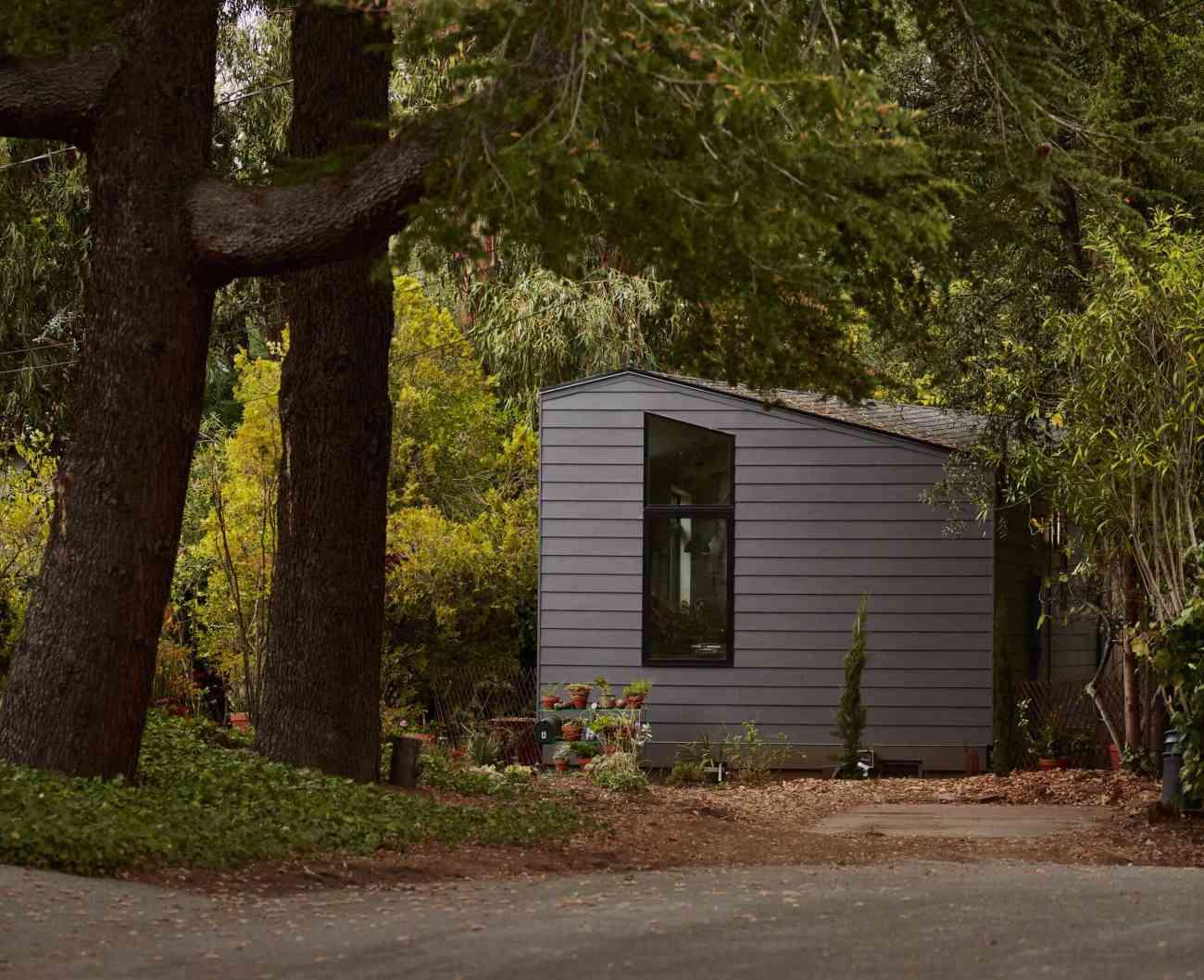
Abodu One in the woods.
Contact Abodu to help you build your ADU in California.

All-in-One Service
Featuring an impressive selection of pre-approved plans, Abodu streamlines the process of building and installing premium built-to-order ADUs.
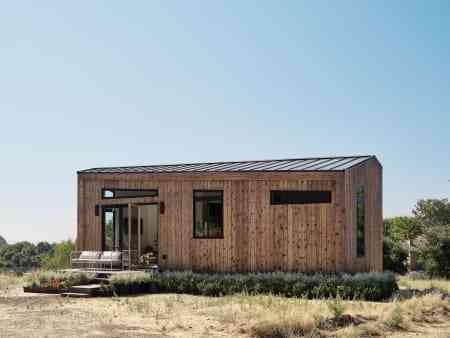
Unparalleled Design
Each floor plan showcases timeless designs using sustainable, high-quality materials—all with upfront pricing.
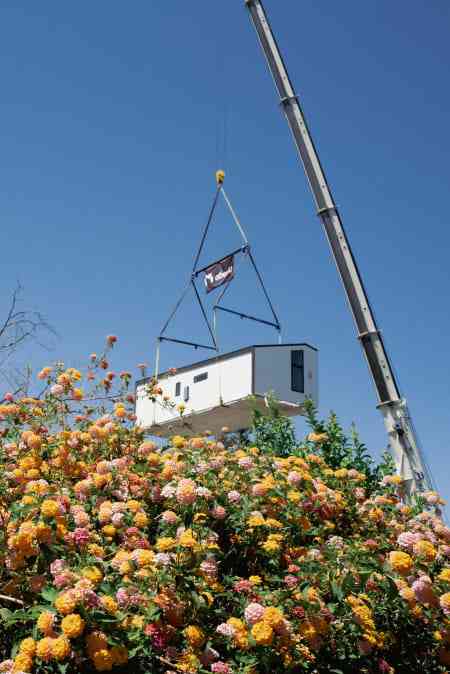
Hassle-Free
We're committed to delivering a straightforward, hassle-free experience including project management, permitting, and construction. Enjoy your Abodu as soon as nine months after signing on the dotted line.
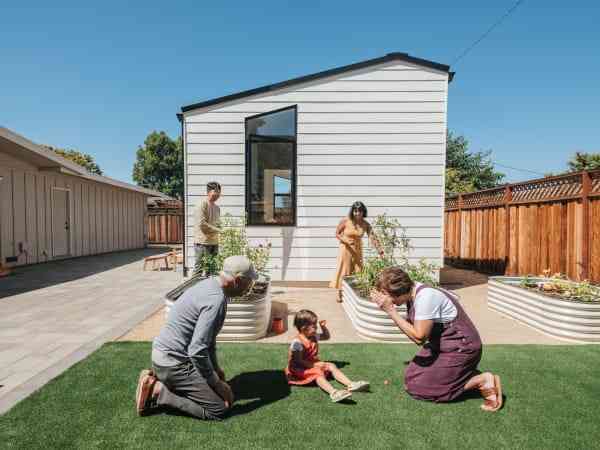
A Great Investment
Take advantage of an exceptional return on investment with an Abodu ADU.
Get your free ADU assessment.
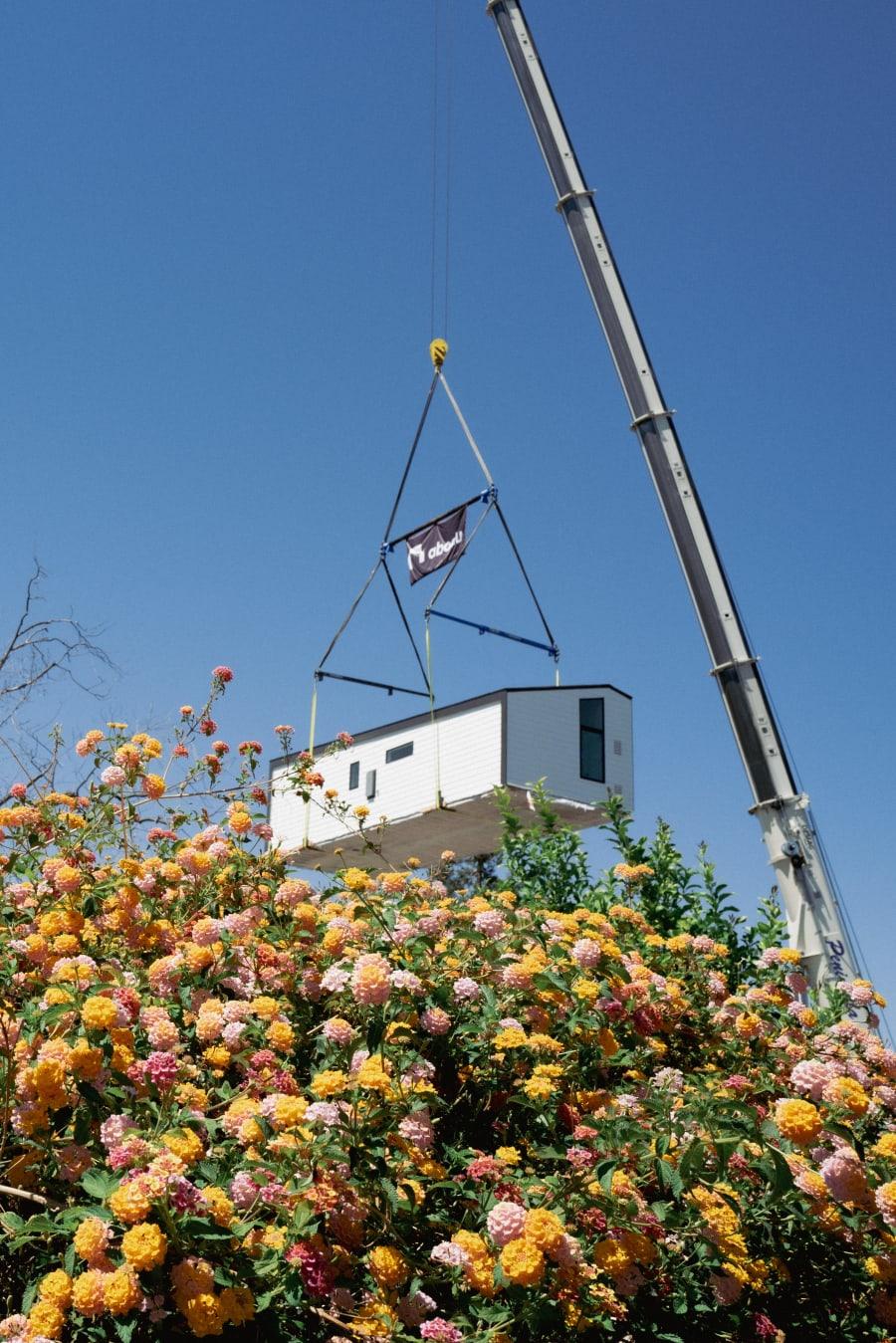
We'll handle the permits.
Delivered in as little as 6 months.
No hassle installation.
Expand your home’s value and livable space.
Find your new Abodu.